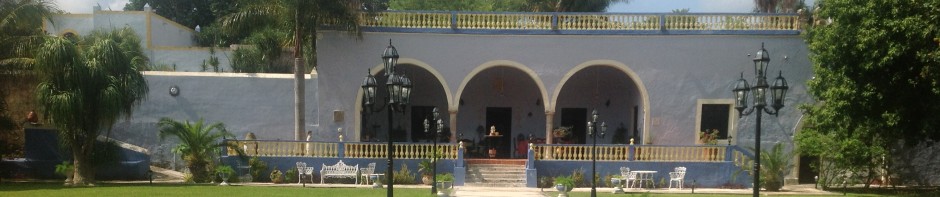
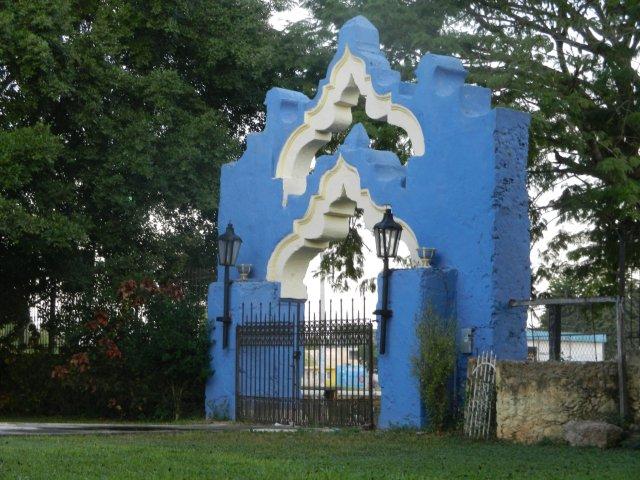
 Hacienda San Pedro Nohpat fue un monumento puesto en el olvido en la era del historical oro verde de Yucatán.con el amanecer del nuevo milenio en Yucatán. Llegaron unos nuevos dueños Canadienses a la hacienda…esta hacienda del siglo dieciseis mesclado con los antiguos españoles y decoracion colonial a sido transformado.con modernas comodidades y transformado en un pintoresco hotel boutique.
 Ubicado en el centro de un pequeño pueblecito Maya a la punta de Mérida, la hacienda a sido describido por nuestros propios clientes como un oasis si alejarse de la ciudad… muchas de las personas de este pueblito aun siguen vistiendo con la ropa tradicional y siguen hablando la lengua Maya…la cultura local y el color es abundante en las actividades diarias alrrededor de la hacienda
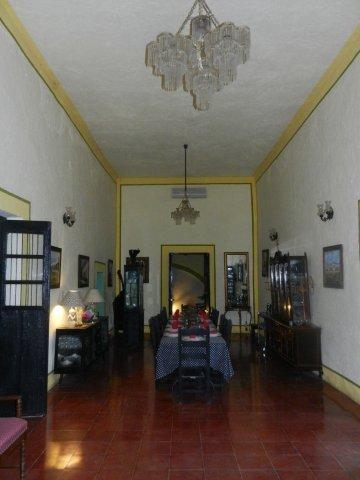 La hacienda cuenta con una mezcla de habitaciones y decoraradas al estilo y las necesidades de cada uno de nuestros clientes.ya sea por dias semanas o un mes las distintas areas de la hacienda le proveen a nuestros huespedes la oportunidad de disfrutar el estilo de la vida en una hacienda……grupos de varias personas o familias que desen hacer reuniones privadas.contamos con piscinas al aire libre y cubierta,relajantes comodidades,proveen a nuestros huespedes un amplio espacio para disfrutar.. junto con el maravilloso y conservada arquitectura española de la hacienda.pueden pasear en el area verde disfrutanto de la flora y la fauna tropical.
 Los dueños de la hacienda promueven una atmosfera relajante y amistosa al estilo familiar..animando a varios de nuestros huespedes a usar la palabra “hogar”cuando describen la hacienda…..los dueños y el personal se esfuerzan para ofrecerle el mejor servicio..junto con la valiosa informacio par los tours por Yucatán para que los huespedes puedan obtener lo mejor en sus vacaciones..

Hacienda San Pedro Nohpat da la bienvenida a todos nuestros huespedes que vengan a conocer los tesoros y las maravillas de Yucatán y al mismo tiempo tener un lugar al que siempre puedan llamar ”hogar”..
